Qlock
I’ve made a desk clock qlock using an LED matrix display, inspired in its low and wide design by the 20th century’s incredibly widespread GE alarm clock radio.
It uses a MAX7219 8x32 red LED matrix module consisting of four 8x8 displays, an Arduino Nano clone with micro USB, an RTC module with a ds1302 timekeeping IC and coin cell backup, and a TP4056 charging protection bored connected to two 18650 li-ion batteries.
This clock is able to keep track of time when unpowered by the use of the backup cell, and when powered is able to show the time from the RTC and other information sent over USB serial from any computer. I’ve made a python program to show certain notifications as well! I’ll upload the code to GitHub. Eventually.
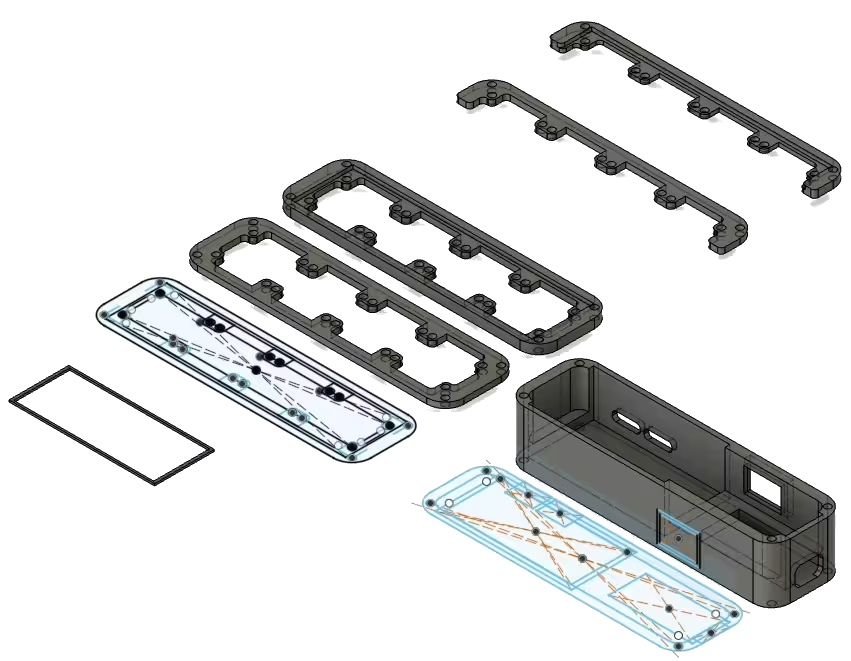
The shell has been designed in Fusion 360 and 3d-printed on an Ender 5 Pro, with four screws being used to attatch the display half to the electronics half and more to hold in the display. The screw-holes are self-tapping and shouldn’t be overdriven.
You can download the.f3d model from here to view, edit, and print.
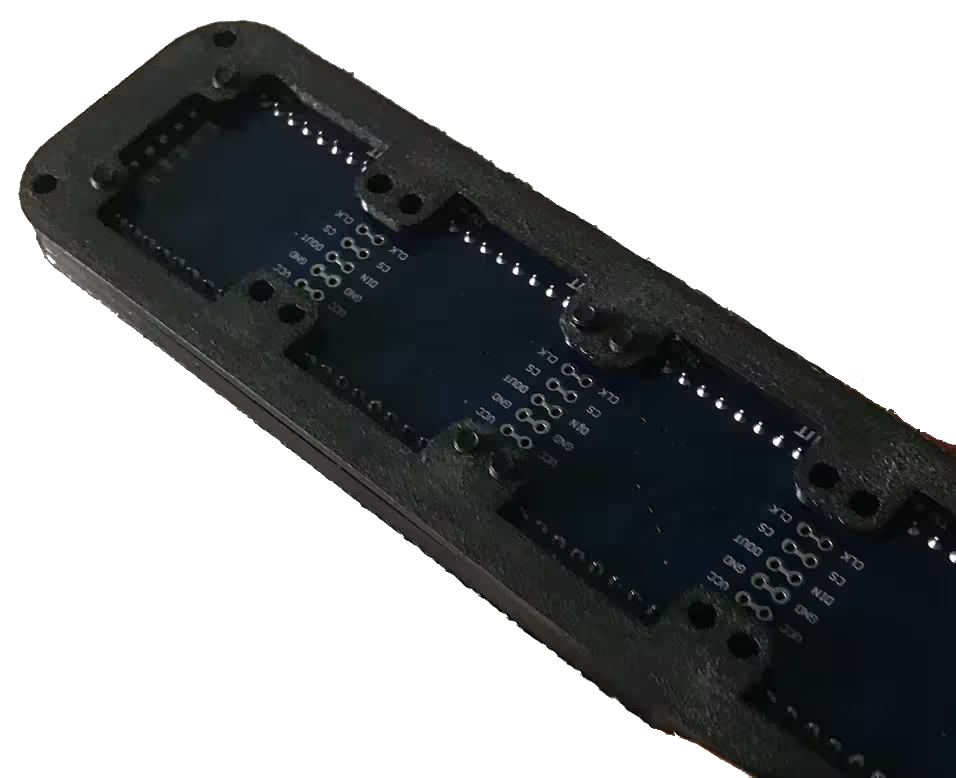
Fast forward three years, I’m writing this in retrospect, and I can’t find pictures of the clock, so here’s a glimpse of the individual printed brackets instead. Aren’t you lucky?

I later found myself not using the clock, and as many of my projects end up, Qlock was disassembled. I re-used the display and microcontroller to create a working demo of using LED matrices as touchscreens with light level sensing. After that, it was used in a Game of Life trinket.